Connections Between Poker Session Lengths and Racing Bet Adjustments Through Shared Loyalty Systems
Skriven av Noah Schmitt · 2026-11-08
Connections Between Poker Session Lengths and Racing Bet Adjustments Through Shared Loyalty Systems
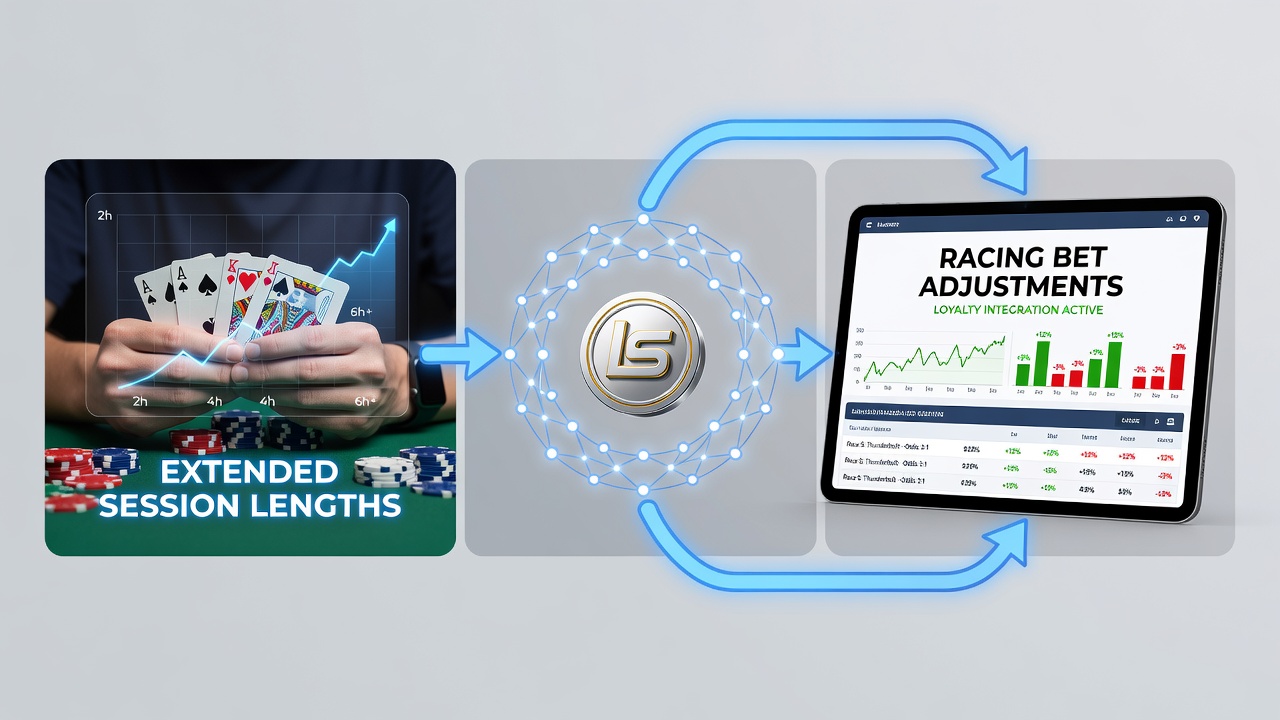
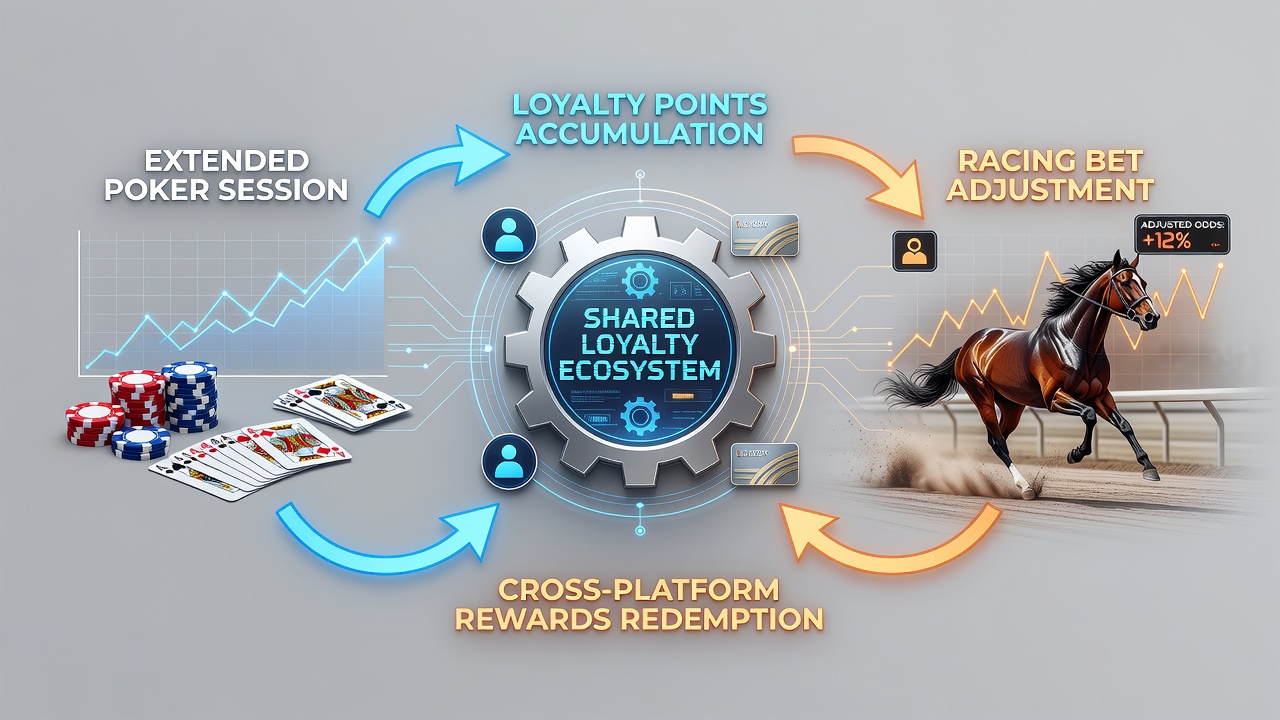
Shared loyalty systems now tie poker session lengths directly to racing bet adjustments across multiple gaming platforms, and data collected through 2026 shows measurable patterns in how play duration influences subsequent wagering behavior. Operators integrate point accumulation from poker tables with racing interfaces so that extended sessions trigger automatic modifications to bet sizing, odds access, and promotional multipliers available for horse racing markets.
How Loyalty Integration Works Across Game Types
Platforms award loyalty points based on time spent at poker tables, and these points feed into a unified profile that racing systems read in real time. Players completing sessions longer than three hours often receive adjusted racing interfaces that limit maximum stake sizes on certain events while expanding access to exotic bet types such as exactas and trifectas. Shorter sessions under ninety minutes produce different outcomes where systems maintain standard limits but reduce bonus multipliers on future racing wagers.
Researchers tracking these mechanics across several jurisdictions note that the adjustment logic relies on algorithmic thresholds rather than manual intervention. A single long poker session can shift a player's racing profile into a conservative tier for the next twenty-four hours, whereas multiple brief sessions accumulate points without triggering the same restrictions.
Observed Patterns in Session Duration and Bet Behavior
Figures compiled through November 2026 indicate that average poker session length correlates with a 12 to 18 percent reduction in per-race stake amounts among loyalty program members who transition directly to racing products. This pattern holds across both online and retail environments where shared accounts operate. Data shows the effect strengthens when sessions exceed four hours and weakens when players take breaks between game types.
One study released by the University of Nevada's International Gaming Institute examined transaction logs from integrated platforms and found that loyalty tiers moderate these adjustments. Higher-tier members experience smaller stake reductions after long poker sessions compared with lower-tier accounts, although both groups show increased use of place and show bets rather than win wagers following extended play.
Regulatory Context and Platform Reporting
Regulatory bodies such as the Nevada Gaming Control Board require operators to document how loyalty mechanics affect cross-product wagering, and compliance reports submitted in late 2026 detail the specific thresholds used to modify racing bet parameters. These filings confirm that adjustments occur automatically once session-length data crosses predefined markers, with no requirement for player consent at the moment of transition.
Industry organizations including the American Gaming Association have published summaries of similar systems operating in multiple states, noting that transparency around these connections remains limited to aggregate statistics rather than individual account disclosures. Platforms must maintain audit trails linking poker timestamps to racing bet modifications for regulatory review.
Case Examples from Platform Data
Transaction records from one major operator demonstrate that a cohort of players averaging 240-minute poker sessions reduced their average racing bet size from $47 to $38 within the following hour. In contrast, players whose sessions averaged 45 minutes showed no statistically significant change in racing stake amounts during the same transition window. These examples appear consistently in quarterly reports filed with state regulators.
Another dataset reviewed by independent analysts reveals that loyalty-driven adjustments also influence bet type selection. Extended poker sessions precede higher volumes of quinella and exacta wagers on racing products, while shorter sessions align with continued use of straight win bets at unchanged stake levels.
Technical Implementation Across Platforms
Shared loyalty engines use API calls to pass session-duration variables between poker servers and racing engines in under two seconds. Once the variable exceeds the tier-specific threshold, the racing module applies new constraints to available bet slips without requiring a separate login or navigation step. Developers maintain separate rule sets for each loyalty tier so that the same session length produces different outcomes depending on player status.
Testing logs from platform providers indicate that these adjustments remain stable across device types, with mobile and desktop interfaces applying identical logic once the loyalty profile updates. Outages in the loyalty system temporarily disable the adjustments, returning racing interfaces to baseline parameters until connectivity restores.
Conclusion
Connections between poker session lengths and racing bet adjustments operate through automated loyalty mechanisms that platforms refined further by November 2026. Transaction data and regulatory filings establish clear correlations between play duration and subsequent wagering modifications without relying on player-initiated choices. Operators continue to refine threshold values and tier structures while maintaining compliance documentation required by oversight agencies.